Understanding Mini Split Air Conditioners
With the growing demand for efficient heating and cooling solutions, mini split air conditioners have emerged as a popular choice for homeowners and renters alike. These systems are known for their versatility, energy efficiency, and ease of installation, making them an appealing alternative to traditional HVAC systems. Whether you are cooling a single room or an entire home, understanding the intricacies of mini splits can help you make an informed decision. When exploring options, mini split systems offer a range of features that cater to various needs and preferences.
What is a Mini Split?
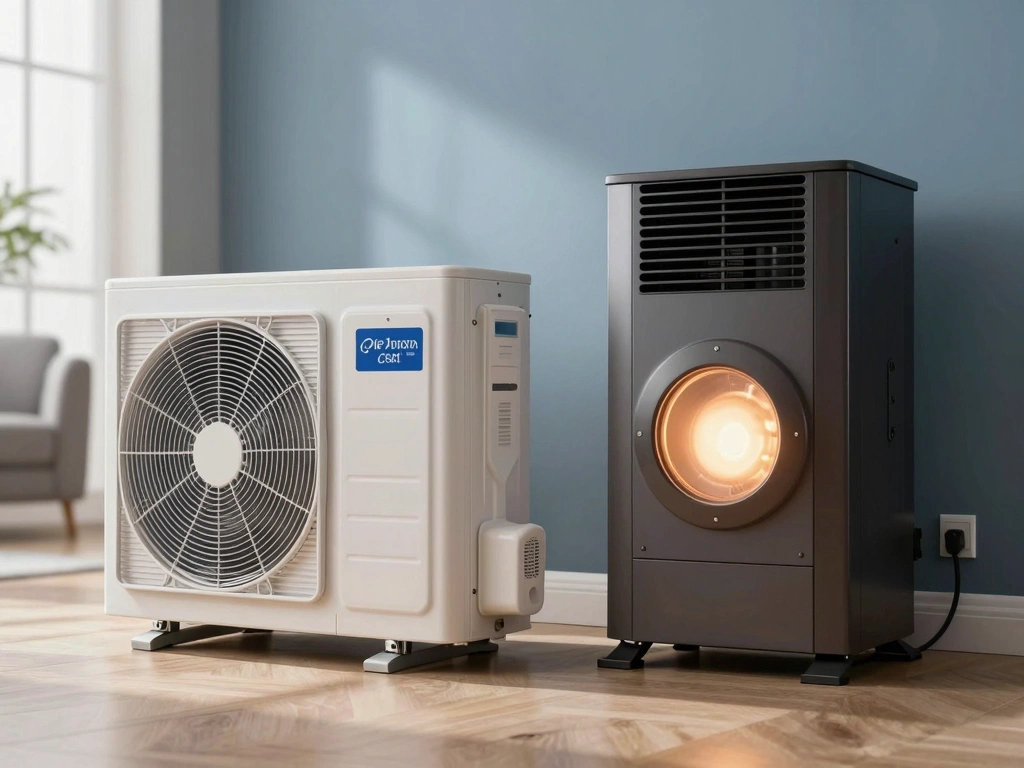
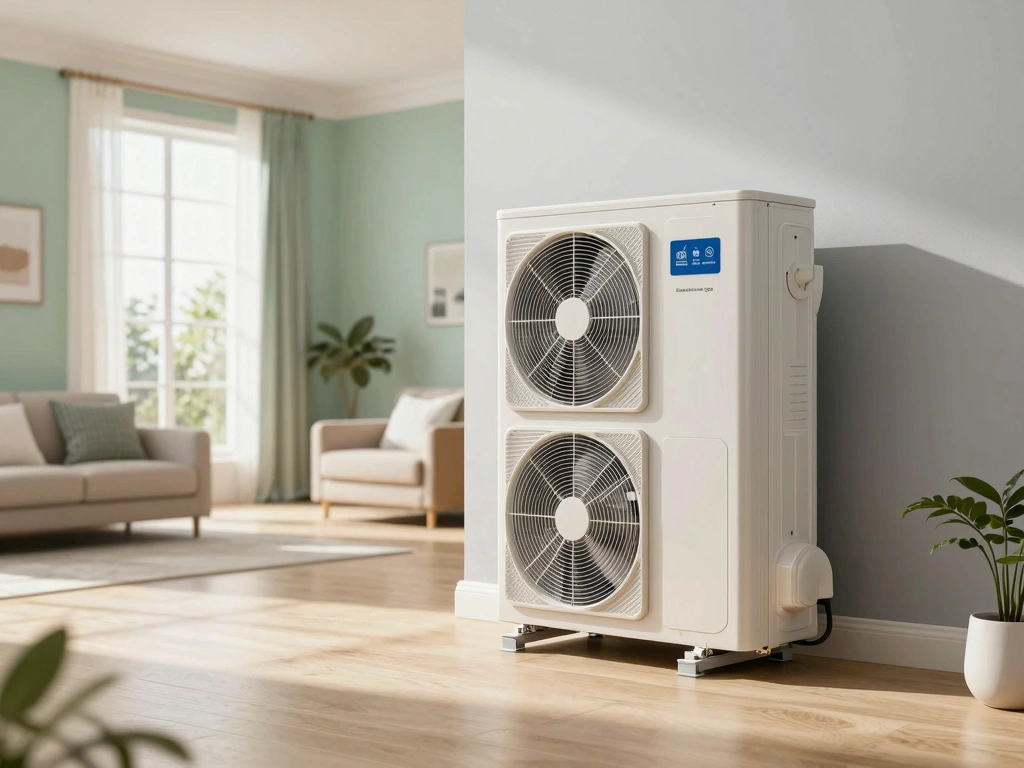
A mini split system, also known as a ductless heating and cooling system, comprises two main components: an outdoor condenser unit and one or more indoor air handling units. Unlike traditional air conditioning systems that rely on ductwork to distribute cool air, mini splits use refrigerant lines to transfer heat between the indoor and outdoor units, allowing for precise temperature control in each room. This flexibility makes them a perfect choice for spaces where installing ductwork is impractical or too expensive.
How Do Mini Split Systems Work?
Mini split systems operate using a simple refrigeration cycle. The outdoor unit extracts heat from the outside air and transfers it to the refrigerant. This refrigerant then flows into the indoor unit, where it releases the heat, cooling the air in the room. In heating mode, the process reverses, and the system draws heat from the indoor air and expels it outside. This ability to both heat and cool makes mini splits a versatile solution for year-round comfort.
Benefits of Mini Split Air Conditioners
- Energy Efficiency: Mini split systems are highly energy efficient, often exceeding SEER (Seasonal Energy Efficiency Ratio) ratings of 20, which can significantly reduce energy bills.
- Space Savings: The compact design of mini splits means they require less space than traditional HVAC systems, making them ideal for apartments and small homes.
- Quiet Operation: Mini split units operate quietly, with indoor units producing minimal noise, allowing for a comfortable living environment.
- Flexible Installation: With no ductwork required, installation is quicker and often less expensive, and units can be placed in hard-to-reach areas.
Choosing the Right Mini Split System for Your Home
Factors to Consider When Selecting a Mini Split
Selecting the right mini split system requires careful consideration of various factors, including the size of your space, your heating and cooling preferences, and your budget. It’s essential to assess the number of zones you want to cool or heat, as systems can be designed for single or multiple rooms.
Size and BTU Requirements Explained
One of the key aspects of choosing a mini split system is understanding the British Thermal Units (BTUs) required to effectively heat or cool your space. Proper sizing is crucial to ensure optimal performance and energy efficiency. A unit that is too small will struggle to maintain comfort levels, while one that is too large can lead to increased energy consumption and discomfort. For accurate BTU requirements, consider factors like room dimensions, insulation, and sun exposure.
Energy Efficiency Ratings and Their Importance
Energy efficiency ratings, such as SEER for cooling and HSPF (Heating Seasonal Performance Factor) for heating, are critical metrics to consider when selecting a mini split system. Higher ratings indicate better energy efficiency, which translates to lower utility bills and a reduced environmental impact. When comparing models, prioritize units with higher ratings to maximize your investment.
Common Challenges and Misconceptions About Mini Splits
Addressing Noise Complaints
One common misconception about mini split systems is that they are noisy. While older models may have been louder, advances in technology have led to quieter operation in modern units. It's essential to choose units designed with noise reduction features to ensure a peaceful indoor environment.
Installation Myths Debunked
Many potential buyers worry that mini split installations are complicated or require extensive modifications to their homes. In reality, mini splits are designed for easy installation, often requiring only a small hole for the refrigerant lines. Professional installation is recommended, but many systems are also suitable for DIY installation, depending on local regulations.
Does a Mini Split Work in Extreme Weather?
Mini splits are designed to operate efficiently across a wide range of temperatures, including extreme heat and cold. While performance may be impacted in very low temperatures, recent advancements in mini split technology have improved heating capabilities in colder climates. It's crucial to select a model that is rated for the climate in your area.
Installation and Maintenance of Mini Split Systems
Professional Installation vs DIY: Which is Best?
Professional installation ensures that your mini split system is set up correctly and safely, optimizing performance and efficiency. However, some savvy homeowners choose DIY installation to save on costs. If you opt for DIY, thorough research and adherence to manufacturer guidelines are essential.
Required Maintenance for Long-lasting Performance
Regular maintenance is key to the longevity and efficiency of your mini split system. This includes replacing air filters every few months, cleaning the outdoor unit, and scheduling annual professional inspections. These steps ensure that your system operates smoothly and efficiently, avoiding costly repairs down the line.
Signs Your Mini Split Needs Repair or Service
Being aware of the signs that indicate your mini split system may need repair can save you from bigger issues. Look for signs like unusual noises, reduced cooling or heating efficiency, and increased energy bills. Addressing these issues promptly with a professional can help maintain your system's performance.
Future Trends in Mini Split Technology
Innovative Features to Look for in 2026
The mini split market is evolving, with new features continually enhancing efficiency and user experience. Expect to see advancements like improved smart technology integration, enhanced filtration systems, and better energy-saving capabilities in upcoming models.
The Impact of Smart Technology on Mini Splits
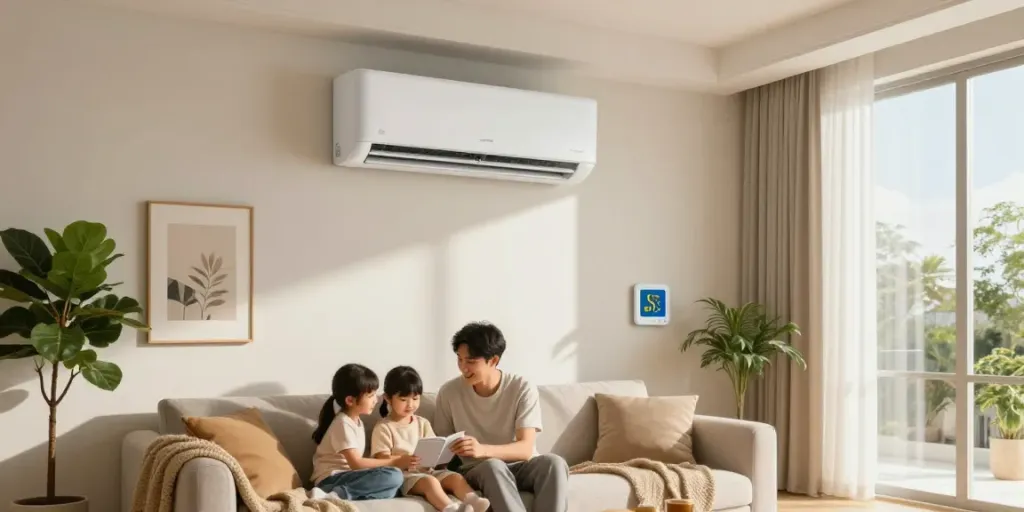
Smart technology is changing how homeowners interact with their mini split systems. Features such as Wi-Fi connectivity, remote temperature control, and integration with home automation systems allow for greater convenience and energy management.
Predictions for Mini Split Efficiency Improvements
As the demand for energy-efficient solutions increases, manufacturers are likely to focus on developing even more efficient mini split systems. Innovations in refrigerants and compressor technology will contribute to better energy performance and lower environmental impact.
Are Mini Splits Worth the Investment?
Considering the numerous benefits, including energy savings, versatility, and ease of installation, mini split systems are generally seen as a worthwhile investment. They provide comfort and flexibility that can enhance your living space, making them a valuable addition to your home.
How Much Does a Mini Split Usually Cost?
The cost of a mini split system varies significantly based on size, features, and installation complexity. On average, homeowners can expect to pay between $3,000 to $5,000 for a complete installation, including the unit and labor. It's advisable to obtain multiple quotes and consider long-term savings from energy efficiency when assessing cost.
Do Mini Splits Work in 100 Degree Weather?
Mini split systems are designed to perform well in high-temperature environments, including 100-degree weather. With proper sizing and maintenance, these units can effectively cool your space, ensuring comfort even during the hottest months. However, it's essential to select a model specifically engineered for high-efficiency performance in extreme conditions.